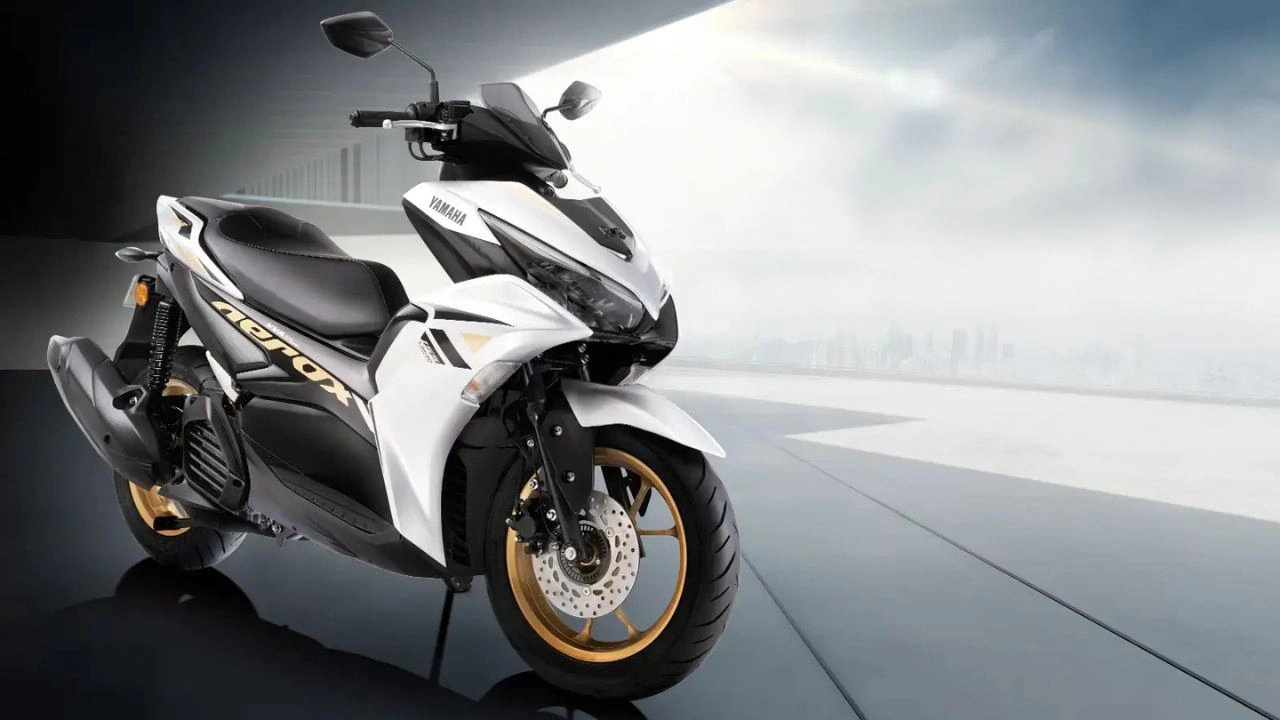
I like scooters that feel sporty and work for real life. The Yamaha AEROX-E 2026 caught my eye because it promises that mix: a sharp Aerox look with electric power and a claimed 106 km range. Yamaha unveiled the Aerox‑E in India on November 11, 2025, and said official pricing and market launch details will come in Q1 2026. I spent time reading specs, imagining daily rides, and thinking about how this scooter would fit into city life. In this review I’ll walk you through the design, powertrain, daily use, tech features, and safety — and I’ll give real-world examples you can use to decide if it fits your needs.
Design and Packaging: Sporty Looks with Small Trade-offs
The Aerox‑E keeps the sporty lines of the petrol Aerox 155. Yamaha didn’t soften the character; it still looks like a small performance scooter. I like that. The front fairing, aggressive headlamp shapes, and low-slung stance make it feel quick even when standing still.
But shifting to electric changes the packaging. The AEROX-E carries about 3 kWh total battery capacity via two removable 1.5 kWh packs. That system adds weight: the kerb weight is around 139 kg, roughly 13 kg heavier than the ICE Aerox 155. Because the batteries sit where packaging allows, you should expect reduced under-seat storage compared with the petrol version.
For many riders that’s an acceptable trade for cleaner, quieter running and instant torque. If you often carry a full-face helmet or groceries, check the boot space in person — the battery placement trims room down a bit.
Powertrain and Claimed Range: Numbers That Matter
Here are the headline specs that Yamaha announced:
| Specification | Detail |
|---|---|
| Total battery | 3.0 kWh (two removable 1.5 kWh packs) |
| Electric motor | ~9.4–9.5 kW |
| Peak torque | 48 Nm |
| Claimed certified range | 106 km (single charge) |
| Kerb weight | ~139 kg |
The motor and torque numbers promise lively city acceleration. In the real world, range depends on many things: riding mode, traffic, weight, and speed. Yamaha’s figure of 106 km is a certified claim — a useful guide but not a guarantee for every rider.
For example, if your daily roundtrip commute is 25 km, a single charge could, on paper, handle about four days of riding (106 km / 25 km ≈ 4.2 days). In practice, using Sport/Power modes and carrying a pillion will reduce that figure. Still, the removable batteries let you top up at home or at work if you don’t have a dedicated charger.
Daily Use: Commuting, Charging, and Practicality
I tried to imagine real routines. Here are realistic daily scenarios:
- If you commute 15–30 km a day in the city, the Aerox‑E should be more than adequate on a single charge in Standard or Eco mode.
- If you pick regular fast starts and use Power mode, expect range to drop noticeably — plan to charge every 1–2 days.
- If you can charge one removable pack at work or at home overnight, you gain flexibility. The removable design is a big plus if you live in an apartment without a parking charger.
I like the removable-battery approach because it lowers one of the biggest barriers to EV scooters: access to charging. It also means you can keep a spare pack at work to extend range for a longer day.
One practical downside is the slight loss of under-seat storage. If you frequently carry big items, weigh that loss against the benefits of lower running cost and smoother torque.
Tech, Safety and Rider Aids
The Aerox‑E isn’t just power and looks; it comes packed with modern features. Yamaha confirmed a 5-inch colour TFT instrument cluster with Bluetooth app connectivity. That brings turn‑by‑turn navigation on the dash and smart-key convenience for daily routines.
Safety tech includes front single-channel ABS, front and rear discs, traction control, and a handy Reverse assist. Riding modes are Eco, Standard, Power, plus a Boost function for quick overtakes. Those features make the Aerox‑E feel like a premium urban tool, not just a commuter box.
For example, traction control and ABS help in wet city conditions when roads are slippery. The Reverse assist is a small but welcome feature when you’re parking tight in a crowded lot.
Real-World Considerations and Market Timing
Yamaha developed this model for India and confirmed that market launch details and pricing will be shared in Q1 2026. They also said they plan to support local charging infrastructure — an important commitment for new EV buyers.
Here are a few practical notes I took away:
- Range will vary: The 106 km claim is certified, but expect 20–30% variation depending on conditions and riding style.
- Weight matters: The extra 13 kg over the petrol Aerox 155 changes handling slightly. It still steers well, but you’ll feel the added heft when pushing at low speeds.
- Charging strategy: Removable batteries allow flexible charging. If you commute ~20–30 km daily, charging twice a week is reasonable in conservative modes.
Final Thoughts
I like the direction Yamaha took with the Yamaha AEROX-E 2026. It keeps the sporty Aerox character while adding strong electric performance and modern tech. The 3 kWh removable-battery setup and a claimed 106 km range make it very suitable for urban commuters who want spirited styling and low running costs. There are trade-offs: reduced under-seat storage and a roughly 139 kg curb weight mean you should test-ride one to be sure it fits your daily needs.
If you live in a city and can manage charging at home or work — or if you like the idea of swapping a battery — the Aerox‑E is an attractive option. I’ll be watching Yamaha’s Q1 2026 pricing announcement closely. If you’d like, I can track launch news in other markets and send an update when pricing and availability are confirmed.